
Writing Good Female Characters Without Using Common, Overused, Sexist Tropes Empowers Women in Literature
As an avid reader, I’ve read books in just about every genre and subgenre. From a young age, I was already reading adult-level books. Now, if you’re a woman like me and read a lot, you’ve probably noticed that something was missing.
Strong, female representation.
Now, I grew up at a time when the young adult genre was just budding. Before I was in high school, there was no young adult genre. There were adult books, children’s books. Some books were classified as “middle grade,” but they got shelved with the children’s books. It wasn’t until I was in high school that young adult emerged.
Young adult books brought a lot more series written from female character perspectives but there was still a big problem.
Most of the female characters fell into specific tropes that were sexist toward women.
The Dangers of Sexism in Writing
I’d like to think one of the reasons female characters in writing have been underrepresented and poorly represented is because the writing industry has historically been dominated by men. While I can’t quote that as an accurate statistic, I can say a lot of women writers have been doing reviews of popular female characters in books, movies, and shows, claiming that, “no women were involved in writing this character/scene.”
But why is sexism in writing so damaging?
When young women and young adults read books or watch shows and movies that only represent a certain kind of female character, they get the idea that those are the only kinds of women that exist. It shows young girls and women there are only a few kinds of “strong” women and if they want to be “strong,” they have to fall into one of those categories.
More than that, it gives non-women children and young adults an unrealistic idea of what women “should” be like and how they should be treated. Normalizing that kind of sexism in writing and media makes it “acceptable” in the real world when it isn’t.
Writing “Real” Female Characters
Before going into the sexist female character tropes, I want to talk about writing “real” female characters, first. What I mean be “real” female characters is they are well rounded, fleshed out, have complicated, realistic histories, and they are represented appropriately and empoweringly through the writing.
It isn’t always enough to have a well-created female character. You can have the most complete, fleshed out, multi-dimensional female character, but if they are written into unrealistic situations or act and react in ways that are unusual to intense situations, then they’re still being written in a sexist way.
An example of this is a Game of Thrones episode where Gilley “rewards” Sam with sex right after he rescues her from a sexual assault. In an earlier episode of the same show, another character points out women don’t instantly recover from a sexual assault and jump into bed with the next man.
I see this a lot, especially in young adult-oriented romance stories. Sexual assault is used to create drama and “rescue” scenes for the male lead to connect with the female lead. Then, she turns around and falls into the arms, and bed, of the man who rescues her. There is never any attention paid to the emotional trauma or recovery period after a sexual assault.
This kind of scenario is damaging for a few reasons. First of all, it sets the expectation that women will reward their rescuers with sex. Secondly, it downplays the seriousness of sexual assault by glossing over the need for recovery. Thirdly, sexual assault shouldn’t be used as a plot device for romance.
Sexual assault isn’t the only scenario that writers use as plot devices in a way that is harmful to both women and the stigmas around those situations.
Another example of unreal women characters are when female characters are given certain characteristics or traits that are contradictory, or downright impossible, based on their personality or appearance.
My favorite example of this is Tifa Lockhart from the video game Final Fantasy VII. She is a fan favorite character, and I totally understand why. She’s strong, athletic, and she’s a powerful fighter. The only problem is… well, she has triple D sized boobs and a size 2 waist.
What’s wrong with that?
It is very physically unlikely. Unless she had a breast augmentation surgery and liposuction, it is unusual for a woman to have two such contrasting physical features.
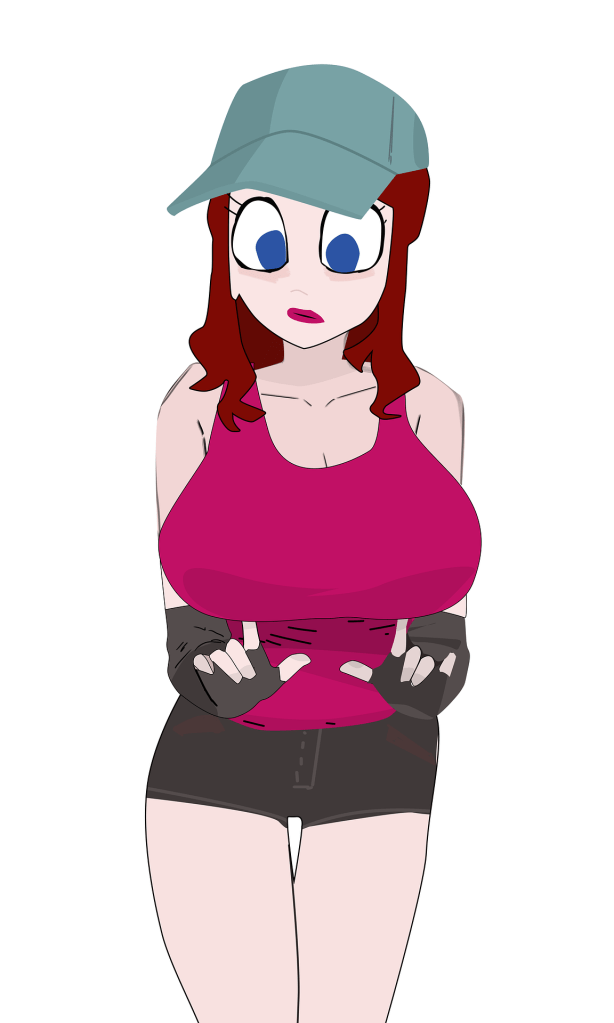
The other issue is the fact that she’s a martial artist. Her fighting is based on close range, hand-to-hand combat, and she’s supposed to be incredibly athletic.
Having such big breasts would be cumbersome and get in her way while she’s throwing punches. She wouldn’t be as light on her feet and with her tiny waist, she’d likely struggle with balance, making it difficult for her to perform such agile, powerful physical blows with her punches and kicks.
Not to mention the back pain she’d experience on the daily.
So, writing “real” female characters is more than just creating fleshed out characters. It is also about portraying them appropriately, realistically, and addressing what women go through as more than just frivolous plot devices.
Sexist Female Protagonist Tropes
I’d like to mention here that I don’t subscribe to just two genders. However, a lot of harmful female character tropes are centered around their treatment and relationships with men and heterosexual relationships.
Now, I’m going to turn the tables and talk about female character tropes that shouldn’t be used and why.
Tomboy Warrior
We all know this character. This is the woman warrior who renounces all things feminine. She often hacks off her long hair and has a violent disinterest in being a wife or mother. These tomboy warriors reject anything that makes them feel feminine or “weak” and are generally against romantic relationships.
Brienne of Tarth from Game of Thrones is a prominent example of this trope.
Now, I have nothing against tomboys. I also have nothing against female warriors. What I do have a problem with is the idea that in order to be a “good” or “strong” warrior, women have to give up being women and act more like men. They have to throw away anything that makes them feminine (aka weak) and embody more masculine traits and characteristics.
Women don’t have to be masculine in order to be warriors. In fact, I think it is more empowering for female warriors to remain feminine because they shouldn’t have to act like men to be seen as strong soldiers.
My favorite example of this is Buffy Summers from the show Buffy the Vampire Slayer. Buffy is a typical California valley girl from the 90s. She wants to date, talk about boys, go to college, wear the right shoes and clothes to be popular in school, and feel pretty and girly. She’s an incredibly feminine character.
She’s also a powerful warrior descended from a long, ancient line of female warriors chosen to fight demons and vampires and protect the world from these dangers.
Another positive example of a female warrior is Mulan from the original, animated Disney movie. While she does disguise herself as a man to avoid detection in the military, she also expresses her disgust with smelly, sweaty men. We see this when she is bathing and she says, “Just because I look like a man, doesn’t mean I have to smell like one.”
She also finds her own way to fight and be a warrior rather than conforming to masculine military ideals. At one point, she even has male soldiers dress as women to infiltrate, comically reversing the trope.
Women can be warriors without renouncing femininity. It doesn’t have to be one or the other.
Overprotective Mother
The first example that pops into my mind for an overprotective mother is Cersei Lannister from Game of Thrones. She is obsessed with keeping her kids safe and under her control. When her youngest son marries, she gets so threatened by his relationship with his wife that Cersei has her arrested and locked up.
Maxine Fortenberry from True Blood is another example of this trope in a modern-day setting. She tries to choose her son’s wife and when that doesn’t work, she buys a gun and tries to kill her son’s chosen girlfriend. She even lied to Hoyt about how his father died to make him afraid to move out and leave her alone.
The biggest problem I have with this trope is it shows women who literally have nothing else to live for or do than obsess over their children.
This idea that mothers are only mothers and nothing else and that they only live for their kids and that is all that matters to them is a sexist way of looking at motherhood. It goes back to the days of all women have to be stay-at-home moms and rear their kids and can’t have careers while the men are the breadwinners.
Just because a woman becomes a mother doesn’t mean she ceases being a person and this trope just perpetuates the sexist stigmas around motherhood.
Sacrificial Lamb
The sacrificial lamb trope refers to a female character that is physically weak and surrounded by more powerful male characters. Instead of being able to fight for themselves or contribute any kind of knowledge or strategy, these female characters seem capable of only one thing – sacrificing themselves to save those they love.
The first example that comes to mind is Bella Swan from Twilight. By the end of the first book, she’s sneaking off to meet a homicidal vampire to save her mother without seeking the help of the entire family of super-strong vampires who have vowed to protect her.
In the third book, she plans to slice her arm open to distract vampires with the scent of her blood. A plan that could result in her death even if it allowed her friends to kill the enemy vampires.
While it might seem honorable and noble to sacrifice oneself for the sake of loved ones, I have a few issues with how this trope is carried out in the literary world.
First of all, it perpetuates this notion that women are weaklings who can’t fight for themselves or defend themselves. Secondly, it creates scenarios where women are always being rescued and men always come out as the heroes.
To top it off, it implies women have nothing to offer except their sacrifice. It discredits female intelligence because they can’t think of anything more creative, strategic, or useful than sacrificing themselves.
Let’s write some female characters who have more to offer than just being a sacrificial lamb.
Universal yet Unremarkable Love Interest
I’m going to go back to Bella Swan from Twilight in this example. I’m also going to bring in Sookie Stackhouse from the True Blood television series. I believe Sookie portrays this trope more in the show than in the books it is based on (The Southern Vampire Mysteries)– though there are instances of it in the books as well.
The idea behind this trope is that an average-looking, averagely intelligent, unremarkable woman is somehow attractive to and the main love interest for several if not all, male characters they meet throughout their stories.
Bella gets asked to prom by something like four different guys and she has a werewolf and vampire head over heels in love with her. Yet, she’s supposed to be this unremarkable, normal, bland young woman.
I’m not saying it doesn’t happen, but it is unusual and unrealistic. It also does nothing to further the overall plot or build Bella as a character.
Sookie Stackhouse is telepathic, making her “special,” but other than that, she’s a typical small-town waitress. And yet, every supernatural man she meets, from her shifter boss to vampires who come to town, and a werewolf, all go completely gaga over her.
Again, it doesn’t build on Sookie’s character. The only thing it does in this series is create multiple romantic relationships for Sookie to explore.
So, the problem I see with this trope is it defines women and female characters as nothing more than potential “mates” for the males around them. It’s a misogynistic approach to female-male relationships. On top of that, it creates this stigma that all female lead characters have to be the central romantic figure and that romance needs to be part of their story.
I think it is important to give female characters more depth than being central romance figures.
“Strong” and “Sexy”
Contrary to the tomboy warrior trope, this trope takes it in the opposite direction. It is the portrayal of badass, “strong” women who are always dressed in skintight or revealing outfits. There are quite a few issues that come up with this trope, so I’ll start with a few examples.
One example that has come up in a lot of recent posts is Black Widow from the Marvel Universe. She’s kickass when she gets action scenes, but mostly she stands around in skintight or revealing outfits and doesn’t have a whole lot of interesting character progression or backstory.
In the Fast and the Furious franchise, Gisele Yashar is a reoccurring female character who is great with guns. She wears revealing outfits, seduces information out of people, and shoots some guns off now and then. Other than that, she doesn’t add much to the story and her character has nothing else going on.
While it is always nice to see kickass female characters in writing and on the big screen, it becomes a problem when they are meant to be strong but end up being another sex symbol. Most of the outfits they wear are so implausible and impractical for the crazy action these women see, they obviously aren’t wearing them for functionality or comfort.
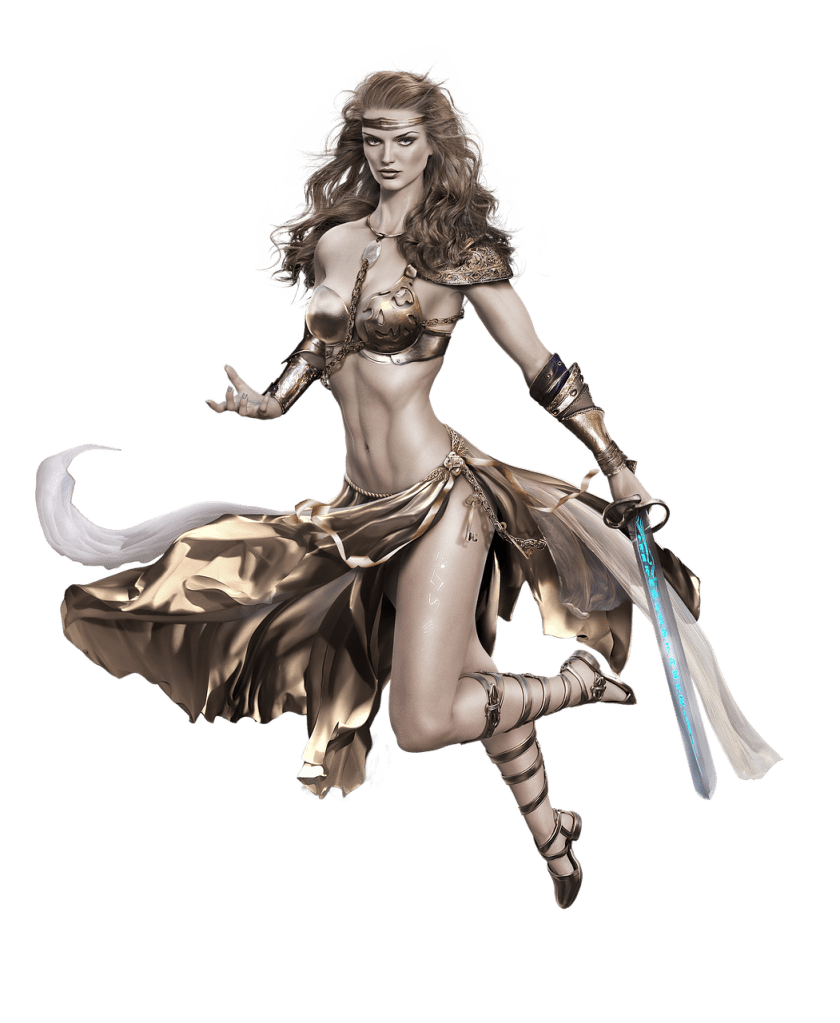
The majority of these “sexy” and “strong” women have no real characterization. They’re literally there to be eye candy for men and “strong ideals” for women.
I don’t know about you, but if being a strong female character means standing around half-naked and getting a couple of seconds of cool action, then I want no part of it.
Unfinished Characters
Alright, I’ve touched on incomplete and flat characters before, but I wanted to reserve a section here for a few commonly used character types that fall into this category. They usually apply to female characters and really cheapen the diversity of women.
Let’s talk about overweight female characters. 90% (give or take, it isn’t a real statistic) of female characters that are overweight are written the same exact way. That is, they are written with weight being the primary factor in their lives.
Well, guess what, overweight women are also people. They have greater hopes and dreams, wishes, desires, passions, and stories than just being “thin and beautiful.”
The second character type in this category is the traumatized, cold, woman. I don’t mean to minimize the seriousness of trauma anyone experiences. However, characters who have a traumatic past and are now consumed by that trauma, reserved and hardened, are incomplete. It is another case of one characteristic dominating a character’s entire existence.
This character type tends to be even worse because female characters like this usually encounter a man who has to “break down” the woman’s walls and help her overcome her trauma by showing her she is worthy of being loved. As much as I love a good romance story, most severe traumas can’t be “fixed” by finding the right man.
It makes this character type a double whammy by being an incomplete character and also sexist and misogynistic.
The last common incomplete character type I’m going to address (though there are a lot more) is the successful, career woman. These women are written as determined, ambitious, and career-oriented. Though there’s nothing wrong with ambitious women, it is very common in writing and media for these women to be portrayed as cutthroat, cold-hearted bitches, and workaholics with no time for romance, or family, or anything but their careers.
From a distance, it shows a strong, powerful woman. But when you look closer, you see how flat and predictable they are.
Since these tropes exist so much in modern literature, it is easy to assume writing characters in those tropes make good, strong female protagonists. But writing empowering female characters involves breaking out of the box and give female characters empowering representation in your writing.
Check out the sister post 9 Sexist Female Character Tropes to Avoid and How to Write Good Female Characters Part 2 (available September 24) for more tips on writing great female characters and female villains.

Seven Amazing Women Authors who Inspired Me from Middle School Through High School and Informed My Writing Dreams
We all have our heroes. Celebrities, fictional characters, friends or family members that captivated us and held us in awe as children. How many of us wanted to grow up to be our dads? Who wanted to become a firefighter or an astronaut or a superhero? Those were dreams inspired by our childhood heroes.
Growing up, all my heroes were authors.
I always had my nose in a book. By the time I was in middle school, I was already reading adult level books. That also happened to be around the time when the YA genre was first emerging. It didn’t fully manifest until I was in high school.
So, my reading pile was eclectic through those middle school and high school years as I flipped back and forth between Adult books and YA.
While I wasn’t only reading books by women authors, there were certain series and standalones that really captivated me and inspired me, partially because they were written by women. As a young woman myself, I aspired to be them.
That inspiration has been the largest contributing factor to my journey of becoming an author.
7 Inspiring Women Authors
It was more than just their books that inspired me. For each of these women, I fell in love with that they did and I idolized them for who they were.
Anne McCaffery
I was introduced to Anne McCaffery first when I was about ten. My dad started reading one of he books to me. What ten-year-old wouldn’t love a book about dragons living in volcanoes with human riders?
By the time I was in high school, I was still in love with dragons and Dargonriders. I devoured Anne McCaffrey’s Dragonriders of Pern series anywhere I could get my hands on them. At the time, I did a lot of thrift store shopping.
Anne McCaffrey was such a talented writer. Her characters were lovable, her world immersive and fully formed with a rich history. In fact, it was the Dragonriders of Pern that really introduced me to the concept of elaborate world building.
In my twenties, I branched out and also read Anne McCaffrey’s Tower and the Hive series as well as The Brain and Brawn Ship Series.
For a women write of adult science fiction, Anne McCaffrey is a true legend. I fell in love with he characters, her worlds, and her elaborate universe. I loved her writing style, her genre, and the fact that she lived in a castle. I can remember the exact day that I first picked up one of her books to read and I hope I always remember that feeling.
I was so in love with the Pern series that I even joined online forums to roleplay original characters inserted into the world of Pern. This was my first cooperative writing experience and it helped a lot with my character development and dialog.
Books by Anne McCaffrey:
Dragonriders of Pern
Brain and Brawn Ship
Tower and the Hive
Of course, she has many other books series I haven’t read, but if they are anything like the ones I have (and I’m sure they are) I recommend them all!
Anne Rice
Before vampires were all the rage with Twilight and The Vampire Diaries there was Anne Rice. She wrote the epic Vampire Chronicles, starting with the legendary Interview With the Vampire.

I could not get enough of Lestat, Armand, Marius, and the other ancient vampires in her supernatural universe. She was the queen of supernatural and I didn’t just want to be like her, I wanted to be her. I wrote several book reports on her books throughout high school.
One concept that Anne Rice introduced me to was a literary device of writing a story from the perspective of a character that is close to the main character but isn’t the main character themselves. That style has stuck with me all these years and I’m implementing it in one of my own series.
I loved her dedication to her characters and her supernatural world. She even lived in New Orleans, I believe right on one of the streets featured in her vampire books. It doesn’t get more dedicated than that!
For a while, Anne Rice’s writing went in a direction that didn’t resonate with me but even then I considered her one of my favorite authors and I was so excited when she came back to the supernatural fold. I think I squealed when I learned about her book Prince Lestat. And that was years after I read any of her books.
Books By Anne Rice:
The Vampire Chronicles
New Tales of Vampires
Lives of the Mayfair Witches
Ramses the Dead
The Wolf Gift Chronicles
The sleeping Beauty Quartet (Under the pseudonym A. N. Raquelaure)
She has many other standalones and series, but the above ones are the ones I loved and recommend.
Libba Bray
A Great and Terrible Beauty was probably the first official YA classified book that I ever read in high school (I had to take a step back from adult books at that point to read things in my age range).
Libba Bray wrote amazing, strong female characters in her fabulous historical fiction series. Her characters challenged societal norms, dealt with complicated issues, and experienced great losses. They did this while navigating an all girl’s school, fighting an ancient battle in a fantasy world, and figuring out where they fit in society as women of different social statuses.
I always loved Libba Bray’s female characters because they were so well fleshed out and well-portrayed. She touched on some very serious topics such as child sexual assault and what it meant to be a lesbian during that time period. Concepts that, at the time, weren’t commonly written about in books at all, let alone YA books.

Her beautiful imagery, strong female characters, and attention to detail was always inspiring to me. I can still pull up memories from my imagination of scenes described in her books with ease, and it has been almost 20 years!
Books by Libba Bray:
Gemma Doyle Trology
Libba Bray has written other books and series that I have not read but should be checked out as well.
Cate Tiernan
When I was in high school, and even in my early 20s, I devoured Cate Tiernan’s Sweep series. It was supernatural, fantasy, and occult all rolled into one. Her books were quick, short reads but I was absolutely in love.
Like Libba Bray, she wrote with a strong female cast. Her stories were contemporary and I felt I could relate a lot to the lead character. So much, so, that it was almost like reading a book about my own experiences in high school.
She dove into lore and mythology that was just captivating to me as it centered around Irish and Celtic lore. With a family connection to Ireland, I was fascinated.
It was Cate Tiernan’s characters and accurate portrayal of Wicca/Witchcraft that I absolutely adored. Since I was dabbling in Wicca at the time, it was (and as far as I know still is) one of the only fiction series devoted to the true practice of Wicca.
Cate Tiernan’s books showed me that I could combine my life story and my personal viewpoints and beliefs with my fiction work, no matter what they evolved into over the years.
Books by Cate Tiernan:
Sweep
Other series and books written by Cate are worth checking out. She has several additional series written under a different name – Gabrielle Charbonnet
Tanith Lee
Another true legend in YA fantasy and science fiction, I wasn’t introduced to Tanith Lee until I was in my early twenties, sadly. I would have liked to get to know her work a lot earlier.
She is one of the most prolific writers I’ve ever had the joy of reading and loving. With over 90 novels published, the number of books she published and the number of series she wrote were most inspiring to me with Tanith Lee.
As someone who currently has 23 novels plotted and planned, 4 of those manuscripts written to a first draft, and several other percolating ideas, she was the one that made me realize, I can do it. It is completely possible for me to write that much and have several popular series.
And then there is the obvious. I just love her work, her genre, and her stories. I have most of her books on my Kindle still and I go back to them from time to time.
Books by Tanith Lee:
S.I.L.V.E.R Series
Aradia
The Secret Books of Paradys
Claidi Journals
She has many, many other series and books. Some I’ve read, some I haven’t, but these four are the ones that stand out most in my mind.
Annette Curtis Klaus
So, if anyone remembers the 2007 movie Blood and Chocolate, I am sorry for bringing it up. What a lot of people don’t know is that the movie is an adaptation, rather a liberally artistic reimagining (one that didn’t resonate with me) of a novel of the same name.
Blood and Chocolate was the first werewolf book I ever read. Sure, I loved werewolves from movies and from the lore but remember, at the time, this was before Twilight, Shiver, and all those other YA werewolf series that came out. There weren’t a lot of YA werewolf books.
In fact, most of the fantasy werewolf books at the time were horror based.
Blood and Chocolate challenged everything I thought I knew about werewolf lore. It had a totally unusual approach to lycanthropy, one that has stuck with me for years.
Another book with a strong female character, as a young woman, this book truly resonated with me. Annette Curtis Klaus taught me that it is okay to defy tropes, rewrite mythology and lore, and put your own spin on age old concepts.
It is a lesson I am so grateful to have learned as a young age because even in my earliest writings I was looking for ways to challenge what people considered “normal” in fantasy and science fiction.
Books by Annette Curtis Klaus:
Blood and Chocolate
The Silver Kiss
She has a few other books that I didn’t read.
Diana Wynne Jones
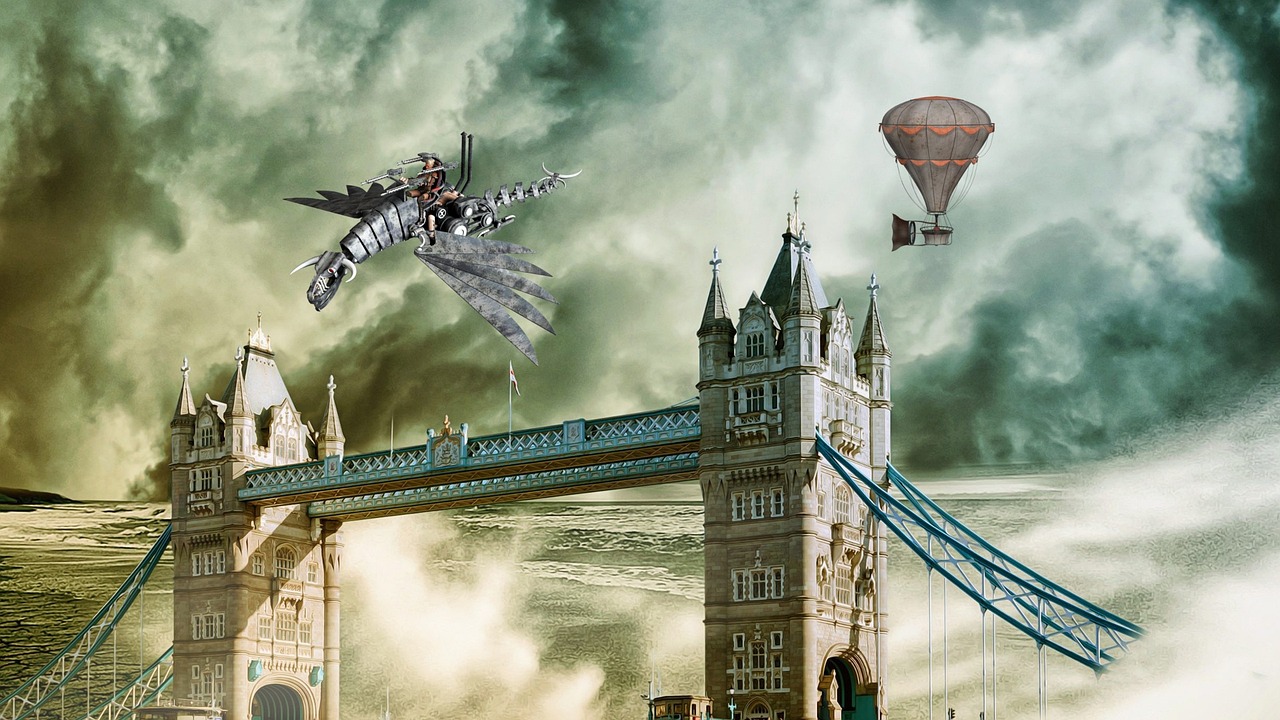
I’m sad to say that I’ve only read one of Dianna Wynne Jones’s books. However, she has a plethora of children and YA books, series, and adult books.
The one book of hers that I did read was Howl’s Moving Castle.
It was such an amazing experience that she has forever made it onto my list of inspiring authors.
Dianna Wynne Jones wrote this amazing fantasy story with a unique take on fairy tales, an elaborately built world, and my personal favorite, compelling female characters. She got the female villain just right as well!
For a young woman that had big dreams and aspirations, any book with well written female characters was inspiring to me personally and my own goals as well as to my writing. Howl’s Moving Castle had the perfect blend of fantasy, magic, conflict, and romance. It was truly a masterpiece for all ages.
Her writing encouraged me not to be afraid of being a little weird or unexpected in my own writing.
Books by Diana Wynne Jones:
Howl’s Moving Castle
There are so many more books of hers to check out, I do encourage it.
Final Thoughts
I believe that it is important to show children of all genders, races, sexual orientations, etc. that they can aspire to be whoever and whatever they want. Without these women role models in my childhood and without their amazing female characters, I never would have been so dedicated and determined in my writing career.
Aspirations in children and adolescents show through mimicry. If I can inspire any young women to follow their dreams and not be held back, then I will feel like I’ve reached my dreams. Because when I aspired to be like these seven amazing women, it wasn’t just with what they did or who they were, it was how they inspired me.
Want more in-depth worldbuilding content and flash fiction entertainment? Join the Imaginative Journey for exclusive topics and insights.
My fellow SFF nerds, don’t forget to check out my Books. You never know what you’ll find to pique your interest.
 From Imagination to Creation