

Writing Good Female Villains Without Using Common, Overused, Sexist Tropes to Empower Women in Literature
This post is continued from a post earlier this week – 9 Sexist Female Character Tropes to Avoid and How to Write Good Female Characters Part 1. In the previous post, I covered sexism in writing and female protagonist tropes to avoid.
I want to elaborate on sexist tropes with sexist female villain tropes.
Personally, I think there is nothing more compelling than a well-written, well-rounded female villain. There is something so terrifying and unnerving about good female villains, and they aren’t written enough in fiction.
Unfortunately, like female protagonists, a lot of female villains fall into sexist tropes that take away from their true villainy.
Incomplete Archetypes and Their Sexist Origins
Before getting into tropes, I wanted to reserve a section here for a few commonly used character types that fall into this category. They usually apply to female characters and really cheapen the diversity of women.
Let’s talk about overweight female characters. The majority of overweight female characters are written the same exact way. That is, they are written with weight being the primary factor in their lives.
Well, guess what, overweight women are also people. They have greater hopes and dreams, wishes, desires, passions, and stories than just trying to be “thin and beautiful.” The idea of all women wanting to be thin and attractive is a male-driven expectation based on male perceptions of attraction, thus it has a misogynistic and sexist basis.
The second character type in this category is the traumatized, cold, woman. I don’t mean to minimize the seriousness of trauma that anyone experiences. However, characters who have a traumatic past and are now consumed by that trauma are incomplete. It is another case of one characteristic dominating their entire existence.
This character type is even worse because female characters like this usually encounter a man who has to “break down” the woman’s walls and reservations to help her overcome her trauma by showing her she is worthy of being loved.
As much as I love a good romance story, most severe traumas can’t be “fixed” by finding the right man. This is clearly a male-created fantasy involving rescuing a woman from herself because she’s too weak/ or incapable of rescuing herself.
The successful, driven career woman is another incomplete archetype. These women are written as determined, ambitious, and career-oriented. Though there’s nothing wrong with ambitious women, it is very common in writing and media for these women to be portrayed as cutthroat, cold-hearted bitches, and workaholics with no time for romance, family, or anything but their careers.
From a distance, it shows a strong, powerful woman. But when you look closer, you see how flat and predictable they are. Not to mention the sexist innuendo that women have to either be mothers or career women, not both. This stems from the sexist ideology that women shouldn’t have careers and should be home makers. It’s perfectly possible for women to be successful in their careers and be family oriented, but when the trope perpetuates choosing one or the other, it feeds the patriarchal biases of women’s roles in society.
There is an incomplete villain character type I see a lot with female villains that belongs in this category. These are female villains who are evil for the sake of being evil. They have no reason for what they are doing other than they are just pure evil and everything they do is evil. Without motivation or end goals, these characters are predictable and don’t further the plot in an interesting way. While pure evil might sound interesting, a lot of these characters come off as boring.
Evil for the sake of being evil stems from the “crazy bitch” concept men have devised in regard to women, which I will elaborate on down the line.
Sexist Female Villain Tropes
One thing we don’t see often enough in literature and media is the female villain. I love a good female villain and there are so many unexplored options with female villains. If you’re really looking for a way to shake up your writing, try working with a female villain, but be wary of the sexist villainess tropes that currently dominate the literary world.
Jilted Lover/Victim of Circumstance
I combined these two together because the overall idea behind them stems from the same place.
A victim of circumstance female villain is usually only evil because there is a man controlling her or who made her do bad things. She’s genuinely a good person but is the “victim of circumstance” and was forced into a life of crime and villainy by a man.
The jilted lover trope follows this same line of thinking. It is the female villain who is only evil because of something a male romantic partner did to her. Maybe he died or rejected her. Either way, she only turns to villainy because she was scorned by a man.
I recently read The Priory of the Orange Tree by Samantha Shannon, a book that was praised for its breakthrough feminism in writing and incorporating homosexual relationships into the primary romance lines. I wasn’t impressed, but that’s another conversation.
The reason I bring it up is there are three notable female “villains” in this book. One is a woman who is being controlled by a male character. She wants to do the right thing and tries to defy him but he is controlling all her actions and making her do evil things.
The two other female villains both turned to villainy because they were rejected by their love interests who were powerful men.
One issue with this trope is it implies women can’t be villains unless their actions are dictated by men. Women on their own are inherently good and want to be good. This, of course, is untrue. Women can be cruel and malicious without a man’s involvement.
As for the jilted lover trope, there is already enough stigma around the “crazy ex-girlfriend” idea in the real world. So many men talk about their ex’s by calling them crazy, irrational, and uncontrollably emotional. It is a very misogynistic and insulting way to describe someone who is going through emotional pain (sidebar: I am aware some people take things too far when they go through a heartbreak, but it isn’t limited to women).
Having female villains who are motivated by heartbreak only normalizes the “crazy ex-girlfriend” concept. Writing empowered women villains goes beyond women whose actions and emotions are influenced solely by men for one reason or another.
Femme Fatal
We’ve all heard of the “black widow” who sleeps with or marries men, just to kill them and steal their money, right? This is classic femme fatal.
A villain in this trope uses sex, seduction, and romance as a way to manipulate those around her. She often uses sex against the protagonist, too, but sex and seduction can’t be the only skill a villain has or the only weapon they use against the protagonist, or it leads to flat characters with little development.
Most femme fatal villains are also working in the shadow of a more important villain, usually a man.
The obvious problem with this trope is implying women use sex and their feminine wiles as a way to control and manipulate men. Sure, it can happen, but with a rise in toxic masculinity touting all the ways women “trap” men, it’s a villain trope feeding into misogynistic views of women.
The other issue is sex and seduction often come without context. It is just how that villain behaves. There is never any explanation as to why they resort to sex as a weapon, whether or not they want to or are being coerced, how they feel about using sex as a weapon, or if it is a desperate time, desperate measures kind of situation. The lack of context implies the only weapon women have, or the only way they can get what they want is sex and seduction.
If femme fatal is part of your villainess, add context for why sex as a manipulative weapon is necessary for that character. It could be enough to pull your villainess out of this static trope and give her more depth and intrigue.
Malicious Victim
This kind of female villain is usually physically weak and comes off as meek and unthreatening. Often, she has a calm demeanor. Yet, underneath that calm is a malicious woman who sets herself up to be the victim only to trap the protagonist in her web of evil.
With such contrasting personality traits, sometimes these characters come off as having multiple personalities. At some point in the story (like once the protagonist is caught in their web), they usually go through a pivotal transformation where they are no longer calm and steady but become maniacal and taunting. They teeter between sane and insane.
While this kind of villain can be creepy and drive a mysterious story, it also plays into two common sexist ideas about women.
First, you have the weak, calm, meek woman who plays into a lot of stereotypical and/or desired feminine behavior from a male perspective. The second sexist stereotype is, again, the “crazy bitch” or “crazy ex” idea.
Stock Female Villain
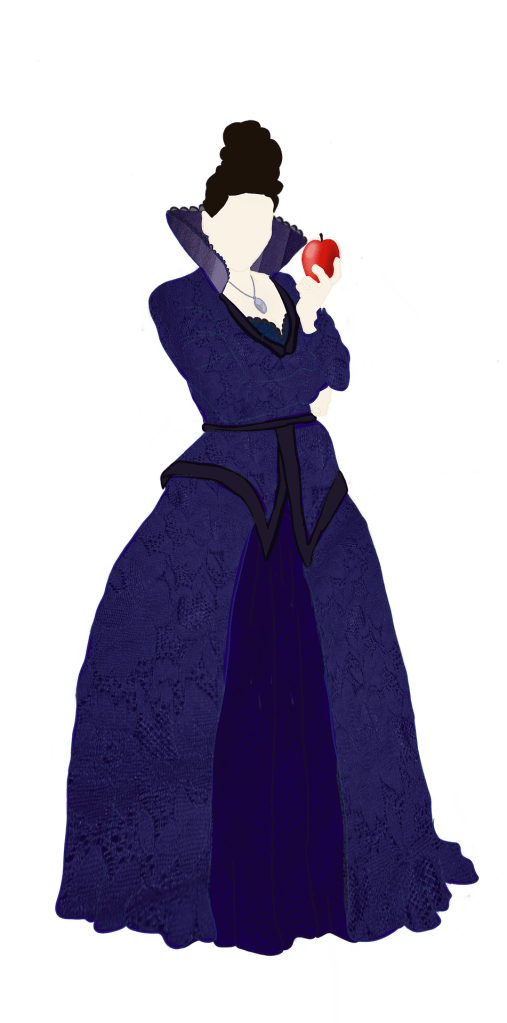
Stock female villains are the stereotypical, common female villains who are used in a lot of stories. If you like classic, animated Disney movies, you’ll recognize a lot of these “stock” villains. We’ve got the evil stepmother, the evil step-sister, and evil queen, etc.
Sound familiar?
Snow White was sentenced to die by an evil queen because of her beauty. Cinderella was tortured by her stepmother and stepsisters. Rapunzel was locked in a tower by an evil witch who pretended to be her mother.
Now, using someone close to the protagonist as a villain isn’t necessarily a bad idea. The problem this trope creates is the characters are flat and incomplete. There is no depth or real conflict.
The stepsisters and stepmother hate Cinderella only because they are step-siblings and parents. There’s no other conflict involved in their villainy. Stock female villains fall into the category of incomplete characters, and they come off as a convenience more than a true villain.
How To Write Strong, Compelling Female Characters – Protagonists and Villains
What makes a good, compelling, empowering character?
When I talk about character creation, I don’t say I’m creating characters, I say I’m creating people. Every one of my characters, even the minor ones, get treated like they are a real-life person when I build them.
People have a lifetime of history, background, memories, and experiences. They have genetic, familial, and environmental factors making them who they are. Every person has a personality and a body with a physical appearance.
Right off the bat, if your female characters are missing any of those, they won’t be compelling or interesting.
But what else do people have?
Generally, people have varying levels of intelligence and knowledge. They have flaws and imperfections (both physical and in their personalities). People have dreams, desires, and motivations (all plural – they don’t just have one dream, like being thin). They have a sexual orientation, gender, fashion sense, and personal preferences. They’ve got hobbies, interests, and passions.
Again, if your female characters are missing any of the above aspects, they’ll remain flat and incomplete, including the villains.
Character building is one important aspect of creating compelling, empowering characters. The other side to it is character growth, story arc, how they contribute to the progression of the story, and how they change from the beginning of the story to the end.
Once you have a fully formed character, it is time to look at their role in the story. When you start building their role, you can tie it into aspects of their characterization – like their backstory and experiences. These connections make characters feel fuller and more fleshed out.
Something else to think about is your characters are going to be driving forces in your overall story or plot. But they each have an individual story within the role they play in the larger story. Weaving that in creates intrigue and allows your readers to get to know your characters more personally.
In order to avoid falling into common, sexist tropes with your female characters, take a deep dive into their layers and fully flesh them out. At the end of the day, the compelling, powerful female character is going to have unique and interesting motivations and a captivating story arc that showcases her as a whole person, not a simple plot device.
This is true with the villainess as well. You don’t need to create a horrific or sad backstory making them sympathetic villains, but villains are also people and need full characterization to be a driving force for the story and plot.
Female Characters to Explore

I want to end this post with a list of dynamic, interesting, strong female characters who don’t fall into any of the sexist female character tropes above. They have strengths and flaws and they defy common character archetypes. I’ll include villains and protagonists. If you’re not familiar with them, check them out and do your research.
Lessa from Dragonriders of Pern by Anne McCaffery
- Lessa is a strong-willed, determined, defiant woman who is incredibly intelligent and independent. She survived a horrible trauma as a child, overcame it, became a leader for her planet, had an epic romance, became a mother, and took calculated risks.
Scarlett O’Hara from Gone with the Wind by Margaret Mitchell
- On the surface, Scarlett is a spoiled southern brat. However, she is one of my favorite morally grey characters. Fierce, determined, selfish, and ambitious, she has a lot of admirable and despicable qualities, giving her depth and intrigue and making for some interesting storylines.
Gemma Doyle from A Great and Terrible Beauty by Libba Bray
- Gemma is a young woman who goes through a major trauma and life transition within the first couple of chapters of this book. She’s feminine and gentle but also smart and powerful. She helps her friends and family without sacrificing herself, shows compassion and mercy, and chooses independence when she can’t be with the man she loves.
Morgaine from The Mists of Avalon by Marion Zimmer Bradley
- Based on the Arthurian legend of Morgan le Fay, Morgaine is a powerful, intelligent woman who is skilled in self-defense and toes the line between good and evil. She has casual sex, orchestrates complex plots, and defies the norm of women during that time period. She is often described as “little and ugly,” and she’s a very disconnected mother.
All of the above female characters have layers and depth to their personality, backstory, and character arcs. They aren’t perfect or universally attractive, they don’t get boxed into romantic and feminine ideals, either. It is those aspects which make good, compelling, empowering, strong female characters.
What about compelling female villains?
Jadis the White Witch from The Lion the Witch and the Wardrobe by C. S. Lewis
- Not only does the White Witch take the “dark overlord” fantasy trope and give it a twist, but she is a phenomenal villain, especially if you read The Magician’s Nephew which has more background on her. Vicious, dominating, terrifying, and merciless, she craves power and control. She’s feared and worshipped, a compelling combination.
Amy Dunne from Gone Girl by Gillian Flynn
- Pure psychopath. Amy is intelligent, calculating, and patient. She spends months fabricating evidence to implicate her husband and then fakes her own murder/disappearance in an attempt to frame him. She’s manipulative and time after time, she outsmarts her husband and the cops.
Corrine Dollanganger from Flowers in the Attic by V. C. Andrews
- At first, a loving, doting mother, Corrine transforms into a greedy, selfish, manipulative villainess. She even goes as far as attempting to murder her own children after leaving them locked in an attic for years – all to get her massive inheritance. Her transformation, seen from her eldest daughter’s point of view, is incredibly harrowing and head-spinning.
Claudia from Interview with the Vampire by Anne Rice
- She might not be a villain, in the strictest sense, but Claudia is a horrific character. A child-turned-vampire, she matures into a woman trapped in a child’s body. This makes her particularly brutal and vicious, using her innocence and childlike appearance to catch her prey. She turns on the vampire who made her, nearly killing him, and essentially traps an “adult” vampire with her to be her eternal caretaker.
The aforementioned female villains have depth, backstory, and motivations beyond romance and sex. They are villains in their own right, without a man standing behind them, and they show some of the darkest sides of humanity.
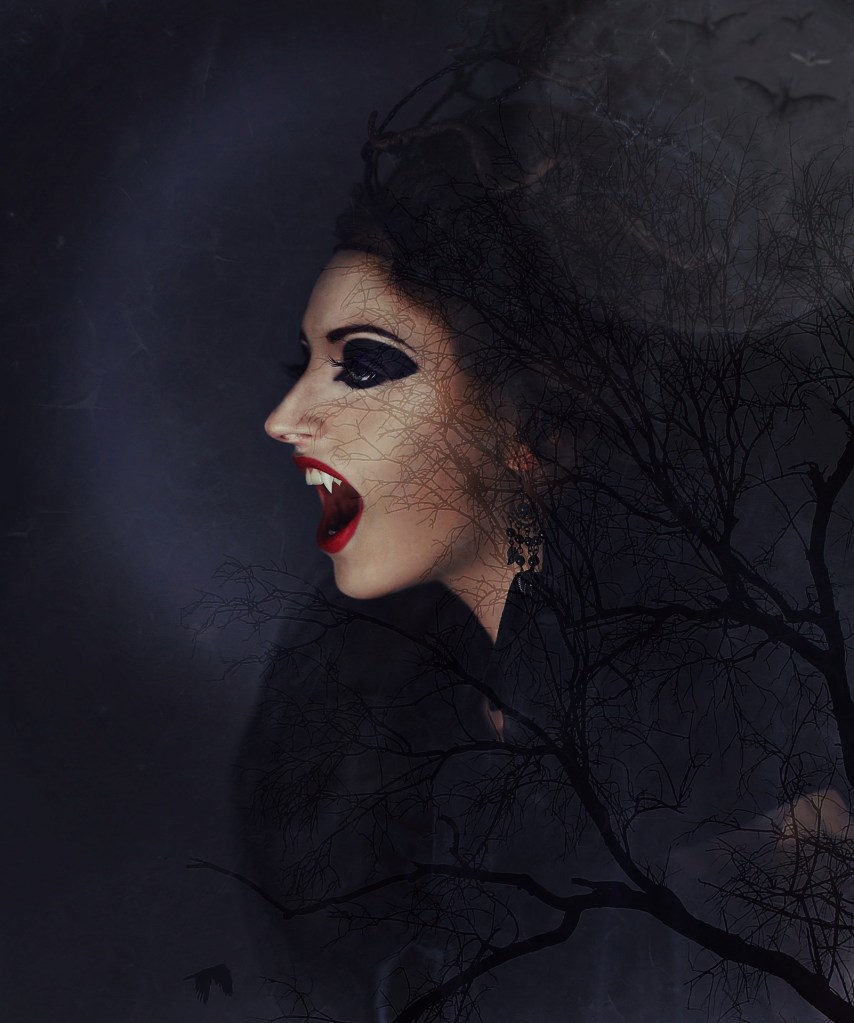
Equal representation in writing is an issue that has existed in the literary world for decades. Male characters and male writers have traditionally dominated literature which has unfortunately left women (among others) wrongfully and under represented.
Most of the time, tropes exist as a positive. They are popular, favorable, and even expected. In the case of female characters, protagonists, and villains, these are tropes to avoid. Make your female characters unique, dynamic, and interesting. Give us a strong, empowering voice in writing.
Want more in-depth worldbuilding content and flash fiction entertainment? Join the Imaginative Journey for exclusive topics and insights.
My fellow SFF nerds, don’t forget to check out my Books. You never know what you’ll find to pique your interest.
 From Imagination to Creation