
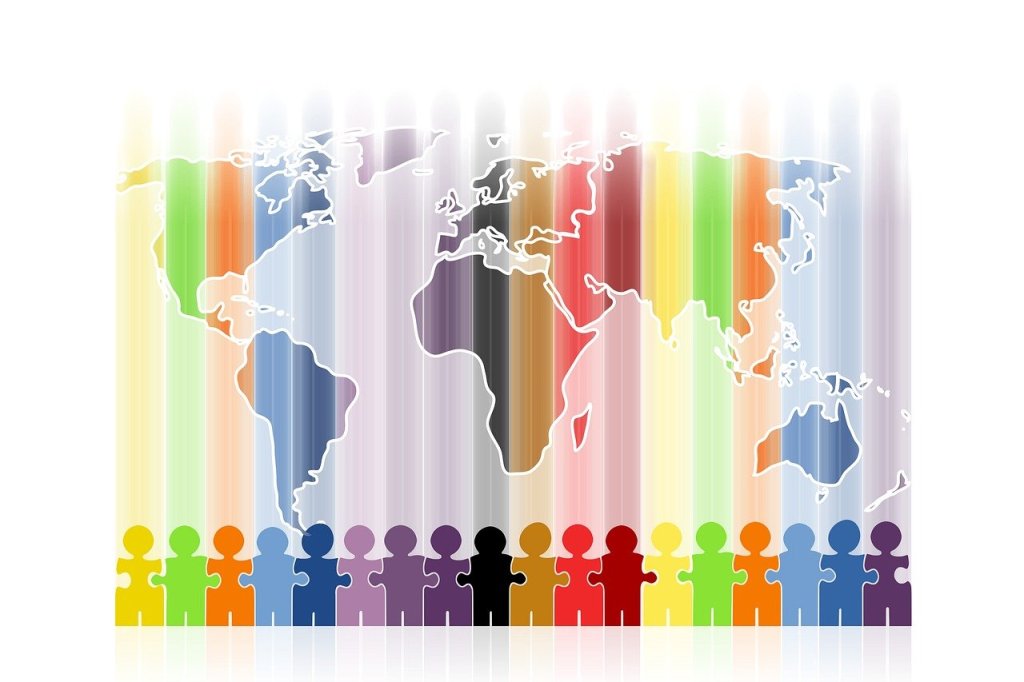
Gender identity and diversity have deep roots in human history and cultural development, so it should be commonplace in modern day literature
It’s no secret that the literary world has primarily been male dominated throughout history. I don’t just mean a majority of male writers, but also male POV characters, male heroes, and male antagonists. Until more recent decades, women have almost exclusively existed as side characters and love interests for the main male characters.
Other than in Romance and YA, where female POV characters and women authors are more prominent, many adult genres and subgenres still lean toward men authors in much higher numbers.
Where are the great woman leads, POV characters, heroes, and antagonists in adult fiction genres like fantasy and science fiction? Again, this is changing some, but not as rapidly as in the YA genre, and I’m seeing significant use of sexist tropes against women instead of amazing, fleshed out, inspiring characters (that’s a topic for another post, like my sister posts on Harmful Sexist Female Character Tropes).
The other concern is literature is focusing on representation of men and women but that leaves a very big, gaping hole when it comes to non-cis and non-binary representation.
Why Gender Diversity in Literature is Important
Recently, I was browsing Reddit, and I saw a comment from a Redditor on a post about submission and publication statistics for men and women (sadly, there were no trans or non-binary gender stats included). This Redditor asked, “Why is everyone so focused on the gender of the author? Their gender has no bearing on the author’s talent.”
Well… I think we all know gender is important because it speaks to matters of equality and discrimination. The idea that, “women don’t write science fiction,” or any other common stigmas is incredibly limiting and can prevent some very talented writers from getting their work published based solely on their gender.
In fact, there are women authors who, to this day, are asked to publish under a more masculine sounding pseudonym or use their initials because it is less feminine, a practice which publishing has used for decades.
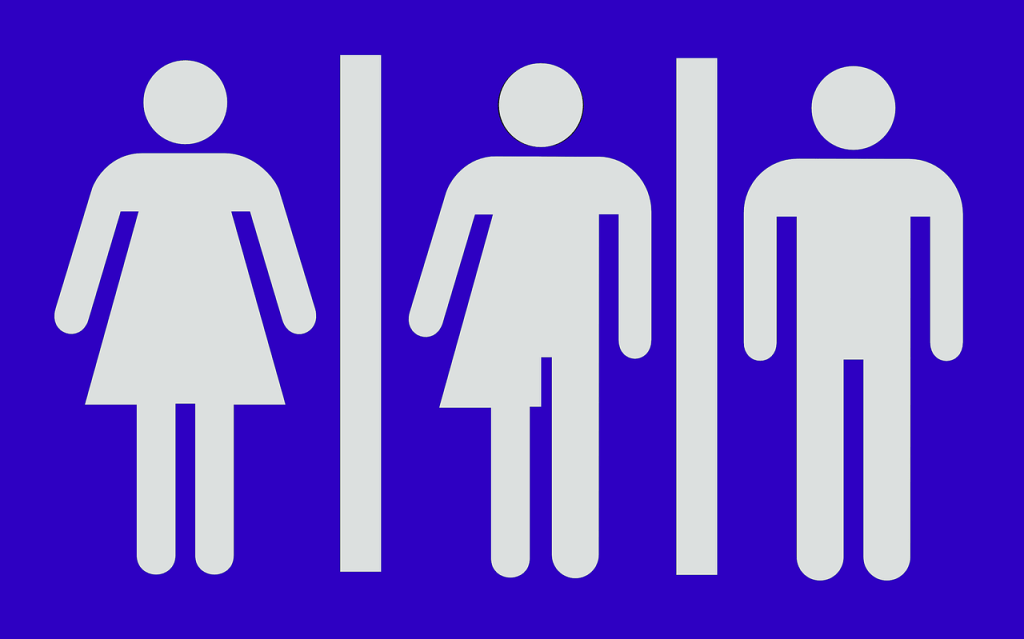
I’ve seen similar questions posed when it comes to writing gender diverse characters. Why does it matter?
When people ask me that question, I think back to when I was an adolescent and I look at the books I was reading. I gravitated a lot toward fantasy and science fiction, and as we know, those genres are primarily male-dominated, both in authors and characters. I was very fortunate enough to be introduced by my parents to some amazing women authors in those genres.
They recommended Anne MacCaffrey’s Dragonriders of Pern, Connie Willis’s Doomsday Book, and others that had both women authors and strong female characters. I started watching Buffy the Vampire Slayer when I was 11, and it is still one of my favourite shows.
Without those relatable influences and idols, I can’t say I would have believed in myself enough to get where I am today.
From the perspective of trans-youth and non-binary youth and gender nonconforming youth, and adults, without those representations in books and other media, it can be limiting, confusing, and isolating. What kind of message does that send?
It’s the same message that says, “women don’t write science fiction,” or that women can only be love interests instead of POV characters or heroes. It says, “You aren’t important enough,” “You don’t measure up,” which is an awful message to send to anyone, especially children and adolescents.
Two Genders is the “New Kid on the Block”
The irony is, historically, having two strict genders is a much newer concept in human culture. I hear people all the time ask, “Why are there so many trans people now when there weren’t twenty or fifty years ago.”
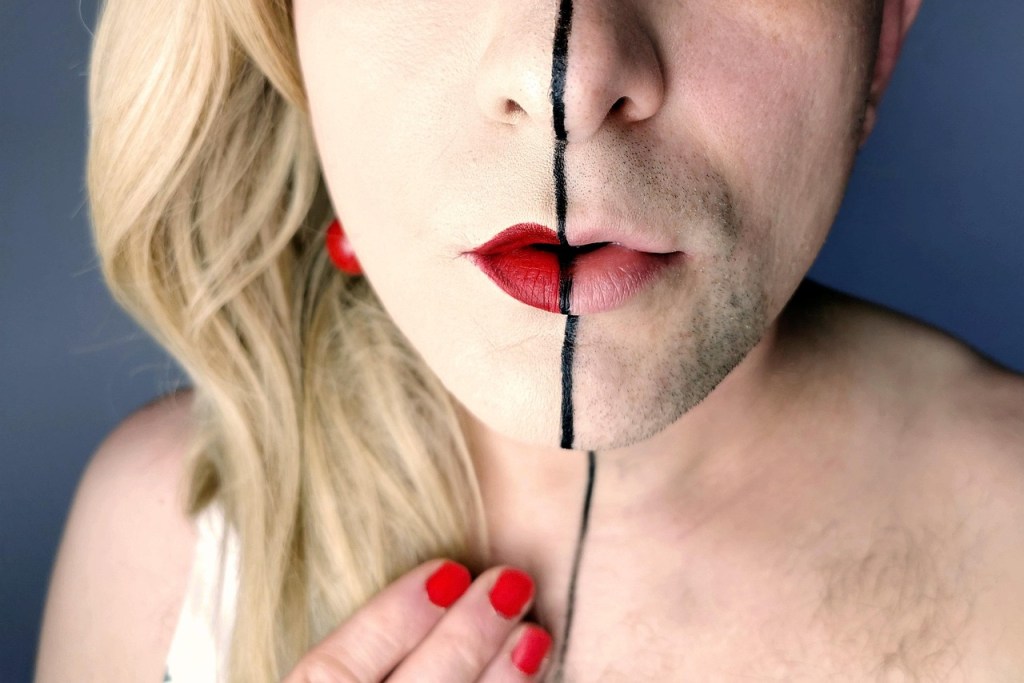
First of all, non-cis and non-binary, gender nonconforming people have been around a lot longer than anyone thinks. It’s not like it just “started” one day. People had to be a lot more cautious about their gender identity in the past because it was met with social stigmas and judgement that could prevent getting jobs, housing, and other necessities, it led to hate crimes, violence, criminalization, even execution. This type of discrimination still happens but society is (theoretically) in a more progressive place than it was 50 years ago.
Not to mention the whole, “Why are there so many trans people now?” question comes from a very Western Europe, Anglo-Saxon viewpoint based on a history recorded by cisgender, white men who had the leeway to “write out” anything they wanted from the history books.

For hundreds and thousands of years, cultures around the world have acknowledged and embraced many genders, some as many as five distinct genders. In each of these cultures, those genders were accepted and respected. Other cultures embraced gender fluidity. That is until they had contact with and/or were colonized by Western Europeans and Anglo-Saxon cultures in the past couple of hundred years.
Sadly, due to the influence of their colonizers, many of these gender traditions and acceptances have been marred with stigmas that have been met with surges of violence, stripping of rights, and sometimes criminalization. In many areas of the world, these beautiful expressions of individuality and gender diversity are being stamped out by their native cultures.
If you really look at cultural history in more than just Western Europe, you can see how open-minded and embracing of many genders other cultures have been for hundreds, even thousands, of years.
Multi-Gender Cultures from the Past and Present
So much more could be said of each of these cultures, ethnic groups, and genders. I wish I had the space to give them each the justice they are due. Unfortunately, I won’t be able to cover all examples, or details, of gender in indigenous cultures around the world (yes, there are that many), but more information can be found here.
United States
Several Native American nations, like the Navajo, Lakota, Zuni, and Blackfoot, among others, recognize genders outside the binary.
Navajo recognize nahdlee, referring to a biologically male-born embodies both masculine and feminine spirit. They also recognize dilbaa, referring to a biologically female-born who embodies both masculine and feminine spirit.
The Lakota recognize a third gender as winkte, biologically male-born who take on traditional women’s roles. They are also the keepers of the tribe’s oral traditions.
The North Peigan tribe of the Blackfoot Confederacy also recognize a third gender: ninauposkitzipxpe. Biologically female-born who were unrestricted by the social constraints put on women in the Blackfoot society, though they did not necessarily dress in masculine clothes.
There is a two-spirit Zuni tradition known as lhamana where a person lives as masculine and feminine genders simultaneously. They are mediators, priests, artists. They performed both traditional men’s work like hunting and traditional women’s work like crafts.
Northern Albania
The Sworn Virgin tradition in Albania allows a family, who has lost their patriarch, to select a woman as their head of household. She must take a vow to remain a virgin for the rest of her life. Sworn virgin’s dress as men, do men’s work, and are regarded as men in society. They are highly respected in their families and do attain the status of men.
In more modern times, some biologically female-born will choose to become Sworn Virgins, even if their family isn’t in need of a replacement patriarch, as a lifestyle choice and expression of gender identity, though, they too must take a vow of virginity, from what I understand.
Indonesia
Outside the binary, the Bugis ethnic group in South Sulawesi, Indonesia, recognize another three genders. That makes for a total of five.
They recognize calalai, who are people who have female sexual characteristics but present in traditional masculine ways through fashion, hairstyles, and mannerisms. They have similar social status and positions as men.
The calabai are biologically male-born but take on traditional feminine characteristics. They don’t identify as women, though, and are not restricted by society in the same way women are.
Bissu is the third non-binary gender. It embodies both the masculine and the feminine. They surpass other genders and take on spiritual roles.
India and Nepal
Hijras are found in Hindu religious texts throughout South Asian History. However, hijras aren’t just a relic of the past. They are the most recognized non-binary gender in India today. The hijra community includes intersex people and people born with male sexual characteristics. They have long occupied a spiritual place in Hindu culture and they join to educate new initiates in spirituality.
Like many non-binary genders, hijras faced criminalization in the 1870s because of laws enforced by British colonialism. Despite Nepal and India recognizing hijras as having rights as non-binary people, there is still lingering anti-hijra sentiments left over from British occupation.

Over 36 countries from every continent on the planet (except Antarctica) have cultures that recognize (or recognized) at least three genders, sometimes four or five. These countries include Russia, Iran, Italy, Mexico, Ethiopia, Australia, New Zealand, the Philippines, Egypt, Dominican Republic, and many more.
Gender diversity is not “new” and it is, arguably, more natural based on historical evidence in cultures around the world.
Gender Identity and Your Characters
As you can see, gender diversity isn’t a trend. In fact, it is an accepted part of being human, in many cultures, that represents spirituality and transcends societal restrictions. If you look at it like that, it almost represents freedom.
I encourage all writers to explore including transgender, non-binary, and gender nonconforming characters into their stories and books. Not only does it help give writers alternative viewpoints and perspectives to study and understand but it shows people outside the traditional gender binary that they do matter, they measure up, and they belong in our society.
That being said, there are do’s and don’ts with writing trans, non-binary, and gender nonconforming characters. I also encourage writers to do their research, utilise online resources, and work with sensitivity readers for compelling, respectful, and accurate representation.
Check out a few of my “go to” sites: The do’s and don’ts, Transgender Characters, and Transquality for more insights and information.
Want more in-depth worldbuilding content and flash fiction entertainment? Join the Imaginative Journey for exclusive topics and insights.
My fellow SFF nerds, don’t forget to check out my Books. You never know what you’ll find to pique your interest.
 From Imagination to Creation